
Top Roofing Materials for Wisconsin Homes: What Works (and What Doesn’t)

Updated: Aug 20
Wisconsin’s weather doesn’t mess around. Between ice storms, hail, heavy snow, and high winds, your roof has to work hard. The best roofing materials aren’t always the flashiest - they’re the ones that can stand up to the Midwest’s unique climate and make financial sense for your home.
Before you invest in a “high-end” roof that looks great in Malibu or Mallorca, but fails in Madison or Milwaukee, let’s take a look at the roofing materials for Wisconsin homes that actually perform best here, and which ones cost more than they’re worth.

Asphalt Shingles are Still the Most Popular Choice in Wisconsin
Cost: $
Weight: Light
Asphalt shingles (or similar technology) have been used on homes for thousands of years and for good reason. They’re affordable, effective, and work well in nearly every Wisconsin neighborhood.
Pros:
Budget-friendly with a wide range of aesthetic options
Performs well against hail and heavy snow
The only option compatible with both solar panels and solar shingles
Recyclable in most areas (read about shingle recycling here)
Cons:
Shorter lifespan than premium materials (typically 20–30 years, newer product generations possibly longer)
Cannot be used on slopes below 2:12 (must use flat roofing materials)
Pro Tip: If you want an upscale look or improved hail resistance, premium options like CertainTeed Carriage House or Class 4 impact-rated Northgate ClimateFlex shingles can add style and performance without switching to a different roofing material. Some insurers may even discount your homeowners’ premium if you select these options.
Standing Seam Metal Roofs are Long-Lasting, but not Practical
Cost: $$$$
Weight: Light
In recent years, metal roofing has been marketed as the ultimate upgrade. They are sleek, “forever” roofs that promise to outlast generations. But for most Wisconsin homeowners, the numbers simply don’t add up. The push toward metal has less to do with performance and more to do with marketing and margin.
Pros:
Long lifespan
Sustainable and fully recyclable
Compatible with solar panels (clamp-on installations require no drilling)
Cons:
Dents easily from hail or falling branches
Risk of rust at low points where water can collect
Can be noisy during storms
Higher upfront cost
Specific aesthetic may not fit the neighborhood
ROI realization unlikely in your lifetime
Learn more about why we don’t recommend metal roofs for most Wisconsin homeowners in our full comparison: Metal vs. Asphalt Roofs: What’s Really Worth It in Wisconsin

Clay Tile Roofs are Beautiful, But Not Built for Wisconsin Climate
Cost: $$$$
Weight: Very Heavy
Clay tile roofs are undeniably beautiful. They bring a warm, old-world look that’s hard to beat. But aesthetics aside, they were designed for dry, sun-drenched climates, not freeze-thaw winters. Before investing in a roof that’s more Mediterranean than Midwestern, it’s worth weighing form against function.
Pros:
Classic Mediterranean or Southwestern aesthetic
Long-lasting with proper maintenance
Cons:
Not built for freeze-thaw cycles
Can crack in Wisconsin winters, leaving you dealing with a mid-winter roof replacement
Extremely heavy - most WI homes aren’t designed to carry the weight
Expensive to repair or replace
Walking on them is dangerous and often results in damage

While adding solar panels is technically possible, it is difficult and not recommended. Brackets are required, and you’ll be covering up the look you paid so much for.
Bottom Line: Clay tiles are not a good match for Wisconsin’s structural or seasonal realities.
Slate Roofing is Elegant and Extremely Durable, But Impractical for Most
Cost: $$$$$$$
Weight: Very Heavy
Slate is often viewed as the pinnacle of roofing: elegant, timeless, and nearly indestructible. It’s also one of the most expensive and heaviest materials available. While its durability (in some climates) is impressive, most Wisconsin homes aren’t built for the weight or the wallet that slate demands.
Pros:
Can last 75–100 years
Fire-resistant and extremely durable
Cons:
Heavy and requires structural reinforcement
Expensive to install and repair
Cracks in freeze-thaw cycles
Environmental cost from mining natural slate
To give you a sense of the cost of these, Grace Episcopal on Madison’s capitol square is currently trying to raise $1.5 million to replace their slate roof.
Slate roofs are best for historic or architecturally unique homes built to handle the weight.
(left) Wood Shake look-alike (Certainteed’s Presidential line) and (right) Slate look-alike (Certainteed’s Belmont line)
Composite & PVC Roofing can be a Compelling Option in Wisconsin, though they are hard to source
Cost: $$
Weight: Medium
Composite and PVC roofing (also called Synthetic Slate, Shakes, or Shingles) are part of a new generation of materials that blend style and practicality. Designed to mimic the look of natural slate or wood without the maintenance headaches, they offer a compelling middle ground between affordability, aesthetics, and performance.
Pros:
One of the most visually striking options available
Lightweight alternative to wood shakes or slate
Superior impact resistance
Often made from recycled materials
Wider range of color and styles not possible with natural rock or wood
Compatible with rack-mounted solar panel systems
Cons:
Can still be pricey
These are a newer technology so it can be difficult to find an experienced contractor
Great for homeowners who want a premium, low-maintenance look without the structural challenges of natural materials.
Wood and Cedar Shakes are Rustic and Classic, But High Maintenance
Cost: $$$$
Weight: Medium
Wood shakes have a rustic charm that connects to Wisconsin’s architectural roots. They were once the default for homes across the state. Today, they’re chosen more for heritage and curb appeal than practicality, since their beauty comes with higher maintenance and climate limitations.
Pros:
Warm, natural appearance
Strong insulative properties
May be eligible for tax credits on historical properties
Cons:
Prone to rot, insects, moss
Not ideal for wet or snowy climates
Higher fire risk (many insurers won’t cover it)
Not recyclable
Requires special decking (skip/sheathing), making it expensive to switch in or out of this style
Difficult or impractical for solar installation
Best reserved for niche historical homes or homeowners who already have a compatible roof structure. Wood originally covered most Wisconsin homes before the 1920s. If you live in a historical building, you may be eligible for certain state or local tax credits if you re-shingle your home with wood.
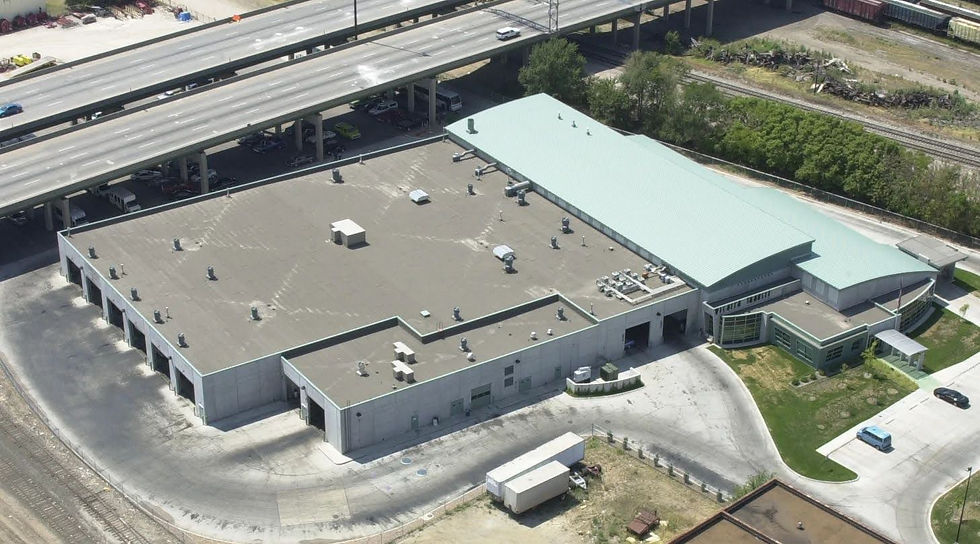
Flat Roofs (TPO, EPDM, Modified Bitumen) are mostly for commercial applications
Cost: $$
Weight: Light
Common on commercial buildings, but also used on porches, one-story additions, bay windows, and modern flat-roof homes. Homeowners pick low-slope because it fits under second-story windows and existing rooflines, keeps additions within height limits, and makes the wall tie-in simpler.
Pros:
Ideal for solar panel installation in commercial applications due to easy tilt adjustment
Cost-effective for large surface areas
Can solve tricky geometry on residential additions without blocking existing windows or gutters
Cost-effective on small areas (e.g., porch or awning)
Cons:
Flat = poor drainage if not maintained or not appropriately pitched (flat doesn’t actually mean completely flat)
Prone to standing water and ice accumulation if drains clog
Requires much higher maintenance than pitched roofs (e.g., quarterly cleaning)
Often not ideal for solar in residential applications because these flat roofs are usually shaded by taller areas of the home.
Vulnerable to problems at transition zones (e.g., siding, chimney, edges), especially if flashing is sloppy

Asphalt-Mimicking Metal Shingles are a new and unproven technology, and still expensive
Cost: $$$
Weight: Light
For homeowners who love the look of traditional shingles but want the longevity of metal, asphalt-mimicking metal shingles promise the best of both worlds. They’re designed to blend in while offering improved durability, though their newer technology and higher price tag still make them a niche choice in most Wisconsin neighborhoods. If you are intrigued by this premium option, we recommend you look into composite or even solar roofing, instead.
Pros:
Offers durability of metal with the traditional look of shingles
More impact-resistant than standard asphalt
Cons:
Newer, unproven technology
Prone to denting
Snow slides still a concern
More complex (and sometimes impractical) for solar installation
Best for intrepid homeowners who want a long-lasting roof without a “barn-like” appearance.
What to Consider When Choosing Roofing Materials for Wisconsin Homes
Before choosing a material, consider the following:
Roof slope: Not all materials perform well on low-slope roofs
Tree coverage: Frequent debris may clog gutters or damage softer materials
Neighborhood/HOA restrictions: Some communities regulate roof material and appearance.
Siding type: For example, if you have wood siding, you may be expected to use wood roofing
Historic designations: May limit your ability to change materials
Solar Plans: Some materials work better with solar than others

How to Avoid Roofing Scams When Choosing Roofing Material
Choosing the right material is difficult, in part because out-of-state or unreputable contractors might push you in a direction that's not right for you or your Wisconsin home. Roof replacement customers, because of the high project dollar amount, are prime targets for high-pressure contractors who push unnecessary upgrades or disappear after the deposit clears. Before you sign anything, read up on roofing and solar scams common in Wisconsin so you know what to watch for before a salesperson shows up at your door.
Our Recommendation: Start With Asphalt, Then Explore Premium Upgrades
There’s a reason asphalt shingles are still the default choice for most Wisconsin homes. They work.
But if you’re aiming for long-term durability or a premium aesthetic, consider composite, high-end asphalt, or metal options. And if solar is in your plans, materials like asphalt and composite are your best bets for seamless integration.
Not sure what roofing material is right for your home? Schedule a free inspection or call 608-608-1082 and we’ll walk you through the options based on your home, your goals, and your budget.


