Post-Storm Roofing Guide: Avoiding Storm Chasers

Updated: Aug 21
The storm has barely passed, and already someone is at your door offering a 'free inspection.' But they want you to sign a contract first. Your roof might be damaged. But how can you be sure who to trust?
After a major storm hits Wisconsin, it’s natural to feel overwhelmed. High winds, hail, and heavy rain can leave your roof vulnerable to damage. Sometimes it’s visible, but often it's not. As you start assessing your home or business, it’s important to protect more than just your shingles: protect your finances and peace of mind, too.
In this post-storm roofing guide, Sun Vault Roofing outlines practical steps you can take after severe weather and how to avoid being targeted by predatory or out-of-state storm chasers and scammers.

First Steps After a Hail or Wind Storm
Check for Visible Damage: From the ground, look for obvious issues like missing shingles, bent flashing, dented gutters, or debris impact. Use binoculars if needed.
Inspect Your Attic and Ceilings: Look for leaks, water spots, or musty smells. These can be signs of hidden roof damage.
Document Everything: Take photos of damage, note the date and time of the storm, and keep copies of your utility bills or property insurance policy handy. If any property was damaged, collect receipts.
Contact Your Insurance Company: Report damage promptly and follow their process for scheduling an adjuster.
Schedule a Roof Inspection: A trusted contractor like Sun Vault Roofing can help assess damage thoroughly and prepare a proper estimate.
Beware of Storm Chasers
Storm chasers are out-of-town contractors who flock to storm-hit areas, often using high-pressure tactics to lock you into a deal before your adjuster even shows up.
Their goal? To get you to sign a contingency agreement - a contract that gives them the job if your insurance claim is approved. Sometimes disguised as an “inspection waiver” or “authorization,” these legally binding agreements lock you in before you’ve had a chance to compare bids or research the company.
Here’s how to protect yourself:
Avoid high-pressure door-knockers: If someone appears the day after the storm with a clipboard and asks to climb your roof, think twice.
Never sign anything on the spot: Read every document and don’t sign vague “inspection forms” that double as legally binding contracts.
Ask if they’re local: Out-of-state companies often disappear after the job, leaving you without warranty support or recourse for workmanship problems. Always verify business location and contractor license using the Wisconsin Department of Safety and Professional services credential search.
Verify referrals: Use trusted sources like the Better Business Bureau, Yelp, or your local Chamber of Commerce. You can also ask your insurance agent for recommendations.
Do not sign contingency agreements: These agreements are predatory and legally binding. If you choose to go with someone else, some storm chasers are known to threaten legal action
We’ve seen the consequences of rushed, post-storm work firsthand. In one Fitchburg home, a roof that was just four years old began leaking throughout the house. The homeowner had hired an out-of-state, door-to-door contractor immediately after a hailstorm.
When we inspected the roof, the issue wasn’t the shingles themselves: it was the Stormchaser's shortcuts. Pipe and chimney flashings were never replaced, and the shingles were fastened incorrectly, with nails missing the proper pattern and holding zones. The result was widespread leakage on what should have been a nearly new roof.
This isn’t a criticism of insurance work or storm repairs in general. It’s a reminder that speed, pressure, and lack of long-term, local accountability often lead to incomplete scope and poor installation.
New Wisconsin Law Protects You from Storm Chasers
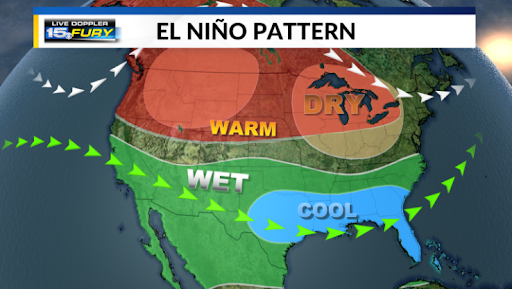
Wisconsin's storm seasons have grown more severe in recent years, and the2026 Super El Niño forecast suggests that pattern will continue, meaning hail and wind events like the ones described above may arrive harder and more frequently this season.
That means the risk of Storm Chasers will only get worse. Luckily, the state government is taking steps to try protecting consumers. Starting in Fall 2026, Wisconsin Act 230 protections bar contractors from claiming they will negotiate or handle your insurance claim, restrict Assignment of Benefits paperwork, and require a written disclosure of your rights before you sign anything storm-related, including contingency agreements.
Why Choose a Local Wisconsin Roofing Company
Local companies like Sun Vault Roofing are committed to the community year-round, not just after a storm. Unlike national door knockers, local companies:
Understand Wisconsin weather patterns and code requirements
Are familiar with local insurance processes and roofing products
Offer ongoing service and warranty support long after the storm passes
May provide help in emergency situations as part of their community-first approach
Sun Vault Roofing earned the 2026 BBB Spark Award, recognizing local businesses that demonstrate integrity, community commitment, and ethical practices, the same standards we bring to every post-storm inspection.

Understand how Hail and Wind Damage Impact Roofs
In order to best understand how to navigate roof concerns after a storm, it is helpful to know how various weather events impact your roofing system:
How does Hail Damage look on a Roof in Wisconsin
Despite what some out-of-state, door-knocking, storm-chasing salespeople may tell you, hail damage on a roof is not an urgent problem.
Hail damage can bruise shingles, knock off granules, and weaken the roof membrane. None of these are usually immediate leak risks. That said, hail damage does considerably reduce the expected lifespan of your roof. So you if you actually have damage, you should get it fixed within your insurance claim window, usually 12-24 months from the date of loss (i.e., the date of the hail storm).
What does Wind Damage look on a Roof in Wisconsin
Wind damage is usually more obvious and more urgent. Wind can lift shingles, break their seal, or blow them off entirely. This leaves the underlayment exposed to tears and leaks. If you have lifted or missing shingles, we recommend treating that as an urgent repair, especially if more severe weather is on the way.
A roof is somewhat like a painter's canvas. When it's intact, it's quite strong. But one small vulnerability can quickly cascade into a much bigger problem in the presence of continue high winds.
How are Siding and Gutter systems impacted by Storm Events
Your roof isn't the only exterior system vulnerable to storm damage. Siding can get dented or cracked, leading to greater likelihood of water intrusion. Though this type of damage is typically less urgent than roof damage.
Gutters can get cracked or dented by hail or even completely torn off by high winds. Missing gutters is a time-sensitive problem. Dented gutters is often only a cosmetic issue in the short-term, but long term it can result in rusted or compromised gutter systems which does begin to risk your foundation's integrity.
Avoid Roofing Common Scams after Storm Events
Storm chasers aren't the only threat after severe weather. Wisconsin homeowners are also targeted by broader roofing and solar scams that are easy to miss until it's too late. Knowing what to watch for before you hire anyone can save you thousands.
Don’t let strangers inside your home unless you’ve verified their credentials
Always get a signed, written contract with a clear scope of work and timeline
It’s illegal in Wisconsin for contractors to cover your insurance deductible. It’s considered insurance fraud
Report suspected scams to the WI Bureau of Consumer Protection
Ask, “Can my roof last another season?”
Some roofs can be maintained temporarily if the damage is minimal. Others may need replacement to avoid escalating costs. A local, trusted contractor will help you make an informed choice, not rush you into a sale.
Should You File a Roof Insurance Claim After a Storm?
Not every storm leaves the same level of damage, and filing a claim isn't always the right move. Before you call your insurer, understand the storm damage insurance process so you can weigh your deductible against the actual repair cost and make a decision that protects your finances long-term.
Need more resources and information on spotting roof damage? Check out our other article: Spot roof damage trouble early with Sun Vault Roofing.
What Roofing and Solar Scams Target Wisconsin Homeowners?
📞 Call Sun Vault Roofing at 608-608-1082 or schedule a free inspection if your roof was affected by recent storms. Our post-storm inspections are free, pressure-free, and backed by local expertise. Discover our services and how Sun Vault Roofing has a trusted history and expertise within the roofing industry.